




Latest posts
Magazine


Lower triglycerides with micronutrients?
Triglycerides are also called blood lipid levels and are an important marker for cardiovascular disease. Elevated triglycerides are also referred to as hypertriglyceridemia.
Triglycerides are produced in fat metabolism and increased triglycerides are caused by impaired fat and sugar metabolism.
The primary cause of elevated triglycerides is insulin resistance. Insulin resistance leads to what is known as metabolic syndrome. Metabolic syndrome is not only characterized by elevated triglycerides, but is also accompanied by other symptoms:
High blood pressure: systolic >130 mmHg, diastolic >80 mmHg
Increased waist circumference: > 102 cm for men, > 88 cm for women
Low HDL cholesterol: < 40 mg/dl in men, < 50 mg/dl in women
Elevated fasting blood sugar (late symptom): > 100 mg/dl
The triglyceride/HDL cholesterol ratio is also crucial. A TG/HDL ratio > 3 is an indicator of insulin resistance.
Diet plays an important role in lowering triglycerides. It is important to keep blood sugar as stable as possible and to avoid blood sugar spikes after meals. This helps to reduce insulin output, which counteracts insulin resistance . Reducing sugar and white flour is particularly important.
Micronutrients can also help lower triglycerides.
magnesium
Magnesium has important functions in fat metabolism and is involved in many enzymatic reactions. Magnesium is easily lacking in the diet and magnesium levels are particularly low in people with elevated triglycerides.
In one study, magnesium supplementation was able to lower triglycerides in diabetics. [1]
Vitamin D
A vitamin D deficiency is strongly associated with insulin resistance and appears to increase insulin resistance. Vitamin D deficiency is very common in Germany and people with insulin resistance and elevated triglycerides should pay particular attention to ensuring they have a good supply of vitamin D.
Omega-3
Omega-3 fatty acids appear to promote the breakdown of triglycerides. Studies show that taking omega-3 can lower triglycerides. The omega-3 fatty acid eicosapentaenoic acid (EPA) is particularly effective in this regard. [2]
In addition, omega-3 fatty acids have anti-inflammatory effects and can therefore probably counteract secondary diseases caused by high triglyceride levels.
By the way , omega-3 fatty acids do not lower total cholesterol ; they can even increase it. However, experts agree that total cholesterol is not a useful indicator of cardiovascular health. Triglycerides are far more important in this regard.
The German Society of Cardiology (DGK) recommends consuming 1 g of omega-3 fatty acids per day if triglycerides are elevated.
Niacin
Niacin ( vitamin B3 ) appears to be able to inhibit the production of triglycerides. Vitamin B3 can also increase HDL cholesterol, which has a vascular-protective effect.
Studies suggest that high doses of niacin may lower triglycerides. [3] However, this needs to be confirmed by further studies.
Vitamin C
Vitamin C is important for lipid metabolism and promotes the removal of triglycerides from the blood. In people with lipid metabolism disorders and vitamin C deficiency, taking vitamin C can lower triglycerides. [4]
L-Carnitine
L-carnitine has important functions in fat metabolism: it is needed for the transport of fatty acids into the mitochondria. It also counteracts insulin resistance. Since elevated triglycerides are a classic feature of insulin resistance, it is not surprising that L-carnitine can lower triglycerides, as some studies confirm. [5]
Curcumin
Curcumin, the active ingredient in turmeric root, also supports fat metabolism. In some studies with diabetes patients and people with metabolic syndrome, curcumin was able to lower triglycerides. However, the study results are not clear. This could be because curcumin does not have good bioavailability and is often not well absorbed.
Conclusion: Nutrients are important for fat metabolism
Many nutrients play an important role in fat metabolism. People with insulin resistance and elevated triglycerides should pay particular attention to ensuring they have a good supply of these nutrients.
WE HAVE GONE YOU A 5% VOUCHER FOR OUR
VITAMIN D , TURMERIC EXTRACT , VITAMIN C , L-CARNITINE ,MAGNESIUM AND OMEGA-3
PROVIDED AND HOPE TO BRING YOU JOY WITH IT.
SIMPLY COPY THE FOLLOWING COUPON CODE
AND ENTER IT AT CHECKOUT:
TRIGLY+V5
TO THE PRODUCTS
[1] https://pubmed.ncbi.nlm.nih.gov/32468224/
[2] https://pubmed.ncbi.nlm.nih.gov/29397253/
[3] https://pubmed.ncbi.nlm.nih.gov/22085343/
[4] https://pubmed.ncbi.nlm.nih.gov/18160753/
[5] https://pubmed.ncbi.nlm.nih.gov/33510873/

Supporting Helicobacter pylori therapy with micronutrients
Approximately 5% of children and 24% of adults in Germany are infected with Helicobacter pylori . The infection causes inflammation of the stomach lining (gastritis) and gastrointestinal complaints.
The bacteria produce ammonia and other cell toxins that irritate the stomach lining. As a result, it is no longer protected from stomach acid.
The infection is often asymptomatic, but can also cause considerable discomfort and lead to gastritis.
Typical symptoms include loss of appetite, feeling of fullness, nausea, belching, pain in the breastbone area and bad breath.
Unfortunately, an infection with Helicobacter pylori often has consequences. It can cause stomach and duodenal ulcers. In rare cases, the infection can also lead to stomach cancer.
A Helicobacter pylori infection is traditionally treated with antibiotics, which eliminate the bacteria. Unfortunately, infections with antibiotic-resistant strains have become more common recently. In this case, several antibiotics must be combined to fight the bacteria. The therapy is also supplemented with proton pump inhibitors (PPIs). But even then, the therapy is not always successful.
Micronutrients can support Helicobacter pylori therapy.
Vitamin D
Vitamin D is essential for the immune system. It also has an anti-inflammatory effect and can therefore probably counteract inflammation of the gastric mucosa.
A vitamin D deficiency also increases the susceptibility to Helicobacter pylori infection.
The supply of vitamin D also seems to affect the success of the therapy: people in whom Helicobacter pylori can be successfully eliminated have higher vitamin D levels than people in whom the therapy is not successful. [1]
Curcumin
Curcumin is the active ingredient in turmeric root. It is an effective antioxidant that counteracts oxidative stress. It also has anti-inflammatory properties and can therefore probably reduce the risk of gastritis.
In one study, adjunctive therapy with curcumin was able to reduce markers of oxidative stress. [2]
Grapefruit seed extract
Flavonoids are secondary plant substances that have an antioxidant effect and thus counteract oxidative stress. [3] Helicobacter pylori causes oxidative stress.
Flavonoids are found in many fruits and vegetables. Grapefruit seed extract is particularly rich in flavonoids because they are present in concentrated form.
Probiotics
Helicobacter pylori displaces other bacteria that can survive in the stomach lining. Probiotic bacteria can in turn displace Helicobacter pylori . In addition, certain bacteria such as bifidobacteria and lactobacilli produce antibiotic substances.
Probiotics are also very valuable in antibiotic therapy against Helicobacter pylori . They protect the intestinal flora that is attacked by the antibiotics and help to rebuild it.
Studies have shown that probiotics can increase the success of Helicobacter pylori therapy. [4]
Vitamin C and Vitamin E
Vitamin C and vitamin E are important antioxidants in the body that scavenge free radicals and thus counteract inflammation caused by infections.
Vitamin C can also weaken the acid protection of Helicobacter pylori . Vitamin C inhibits the urease enzyme with which the bacterium produces harmful ammonia. [5]
Vitamin C is also important for the immune system and helps us protect ourselves against all kinds of infections.
Conclusion: Antioxidant nutrients play an important role in therapy
Helicobacter pylori causes significant oxidative stress and inflammation in the stomach lining. Antioxidants can counteract this. In addition, nutrients and probiotics that are important for the immune system can support Helicobacter pylori therapy.
WE HAVE GONE YOU A 5% VOUCHER FOR OUR
VITAMIN D , TURMERIC EXTRACT , VITAMIN C AND GRAPEFRUITEN EXTRACT
PROVIDED AND HOPE TO BRING YOU JOY WITH IT.
SIMPLY COPY THE FOLLOWING COUPON CODE
AND ENTER IT AT CHECKOUT:
HELIPY+V5
TO THE PRODUCTS
[1] https://faseb.onlinelibrary.wiley.com/doi/abs/10.1096/fasebj.31.1_supplement.1067.6
[2] https://www.scielo.br/j/ag/a/Tmx87PkmjQ3HFBnt9Ky8S6R/?lang=en
[3] https://www.ncbi.nlm.nih.gov/pmc/articles/PMC8329489/
[4] https://www.ncbi.nlm.nih.gov/pmc/articles/PMC6151681/
[5] https://pubmed.ncbi.nlm.nih.gov/22543844/
Iron: An essential trace element that is often lacking
Iron is an essential nutrient that we must consume through our diet. Unfortunately, iron is often lacking in our diet. The National Consumption Study II found that 58% of women and 14% of men do not consume the recommended amount of iron. [1]
In this article, you will learn why iron is so important, how to recognize a deficiency and how you can meet your iron needs.
What is iron?
Iron is a trace element that the body only needs in very small amounts. The daily requirement is around 10 to 15 mg, depending on age and gender. [2]
Iron occurs in foods in two different forms: heme iron and non-heme iron. The body can absorb and use heme iron much better than non-heme iron because heme iron has a higher bioavailability.
Heme iron is found in animal foods, while plant foods mainly contain non-heme iron.
What does iron do in the body?
Iron is a component of hemoglobin, the blood pigment that gives our blood its red color. As part of hemoglobin, iron is needed for blood formation and oxygen transport. [3]
But iron has many other functions. It is involved in the construction of nerve cells and is therefore important for cognitive function and memory. [4]
Iron also has important functions in energy metabolism, as many enzymes in energy metabolism contain iron.
A good supply of iron is also needed for the immune system. [5]
Iron is also involved in the formation of proteins and therefore has important functions in cell division.
The European Food Safety Authority confirms the following health claims for iron: [6]
Iron contributes to normal cognitive function
Iron contributes to normal energy metabolism
Iron contributes to the normal formation of red blood cells and hemoglobin
Iron contributes to normal oxygen transport in the body
Iron contributes to the normal functioning of the immune system
Iron helps reduce tiredness and fatigue
Iron has a function in cell division
These are the symptoms of iron deficiency
Iron deficiency manifests itself through the following symptoms:
paleness
fatigue
Difficulty concentrating
shortness of breath
Brittle hair and nails
Cracked and dry skin
Severe iron deficiency leads to anemia (iron deficiency anemia). This manifests itself in: [7]
Severe fatigue
Cracked corners of the mouth
Headache
Shortness of breath
Heart palpitations
Hearing and vision problems
Causes of iron deficiency
People with increased iron requirements are at high risk for iron deficiency. These include menstruating women, pregnant and breastfeeding women , growing children and adolescents, and competitive athletes .
People who eat a diet low in iron also have a high risk of iron deficiency. Since animal heme iron has a significantly better bioavailability than plant-based non-heme iron, vegans and vegetarians are often affected by iron deficiency.
In addition, impaired iron absorption can lead to iron deficiency. Chronic inflammatory bowel diseases, for example, can significantly impair iron absorption.
The consumption of certain foods can also hinder iron absorption and promote iron deficiency. [8]
This includes:
caffeine
Phytic acid in cereals and legumes
Oxalic acid from green leafy vegetables, rhubarb and cocoa
Phosphates in ready meals and lemonades
Calcium
Foods with the highest iron content
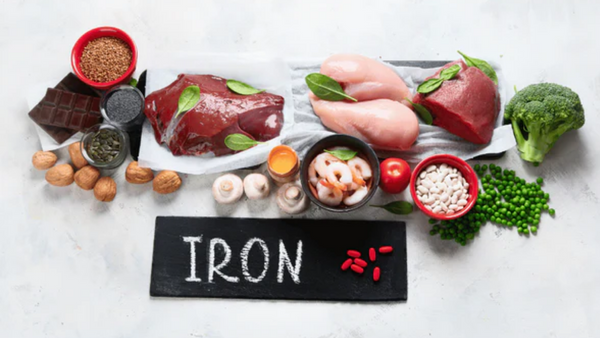
Iron is found in many foods. Here are the best sources of iron: [9]
Cocoa: 13.9 mg/100 g
Hemp seeds: 7.95 mg/100 g
Liver: 7.4 mg/100 g
Cashews: 6.68 mg/100 g
Squid: 6.02 mg/100 g
Goose: 5.91 mg/100 g
Oysters: 5.78 mg/100 g
Beef: 5.46 mg/100 g
Hazelnuts: 4.7 mg/100 g
Cover your iron needs with iron supplements
If the iron requirement cannot be met through food, taking iron supplements makes sense.
You can tell that an iron supplement is good because it does not contain any unnecessary additives such as colorings, sweeteners, binding agents, release agents and artificial preservatives. Also make sure that it is made in Germany. Iron supplements should also contain vitamin C , as vitamin C significantly improves the absorption of iron. [10]
Iron is best absorbed on an empty stomach and should be taken 2-3 hours before eating.
Conclusion: Iron deficiency is widespread
Iron deficiency is one of the most common nutritional deficiencies. Women who do not consume much iron through their diet are particularly affected by iron deficiency. If the iron requirement cannot be met through food, taking iron supplements can be useful.
As a small thank you for making it to the end of this article, we would like to offer you a 5% voucher for our iron from curry leaves .
Simply copy the voucher code “EISEN5+V” and enter it at checkout.
Click here for the product
[1] https://www.mri.bund.de/fileadmin/MRI/Institute/EV/NVSII_Final Report_Part_2.pdf
[2] https://www.dge.de/forschung/referenzwerte/eisen/?L=0
[3] https://www.ncbi.nlm.nih.gov/pmc/articles/PMC3999603/
[4] https://pubmed.ncbi.nlm.nih.gov/20100340/
[5] https://www.ncbi.nlm.nih.gov/pmc/articles/PMC3173740/
[6] https://eur-lex.europa.eu/LexUriServ/LexUriServ.do?uri=OJ:L:2012:136:0001:0040:de:PDF
[7] https://www.ncbi.nlm.nih.gov/books/NBK448065/
[8] https://pubmed.ncbi.nlm.nih.gov/21462105/
[9] https://nutritiondata.self.com/foods-000119000000000000000-w.html
[10] https://pubmed.ncbi.nlm.nih.gov/6940487/

Micronutrients for gastritis (inflammation of the stomach lining)
Gastritis is an inflammation of the stomach lining, which causes stomach pain, a feeling of fullness and nausea.
There are three types of gastritis: types A, B and C. [1]
Type A is an autoimmune disease. Immune cells attack the stomach lining. Type A is the rarest form of gastritis and occurs in about 5% of those affected.
Type B is a bacterial gastritis. It is usually caused by the stomach germ Helicobacter Pylori . 80-90% of gastritis cases are type B.
Type C is caused by chemical substances. Drugs that damage the stomach lining, such as aspirin, cortisone, and excessive alcohol consumption can cause type C. Type C accounts for approximately 10% of gastritis cases.
Acid-reducing medications are often used to treat gastritis. This is because an inflamed stomach lining cannot protect itself from acid and is further damaged by acid. Proton pump inhibitors reduce the production of stomach acid and antacids neutralize stomach acid.
Micronutrients can support the treatment of gastritis.
Vitamin B12
The gastric mucosa produces the so-called intrinsic factor (IF), which is important for the absorption of vitamin B12 . Since the gastric mucosa is damaged in gastritis, it hardly produces any intrinsic factor. This disrupts the absorption of vitamin B12 and in the long term there is a high risk of vitamin B12 deficiency.
Vitamin B12 deficiency manifests itself in neurological disorders and psychological problems. Other symptoms include lack of energy, extreme tiredness, memory problems and fatigue.
The risk of vitamin B12 deficiency is particularly high in chronic gastritis type A. This is because immune cells attack the parietal cells of the gastric mucosa, which produce the intrinsic factor. [2]
Since vitamin B12 (together with vitamin B6 and folic acid) is needed to break down homocysteine , a poor supply of vitamin B12 also leads to increased homocysteine levels.
If you have gastritis, you should ensure you have a good supply of vitamin B12 and other B vitamins.
Omega-3 fatty acids
Omega-3 fatty acids have anti-inflammatory properties and counteract chronic inflammation, so they may also reduce inflammation caused by gastritis. [3]
Omega-3 fatty acids can also inhibit the growth of Helicobacter Pylori .
Vitamin C
Vitamin C is an important antioxidant in the body that scavenges free radicals and counteracts oxidative stress. Oxidative stress also promotes inflammation.
People with gastritis have lower vitamin C levels than healthy people. Vitamin C levels also correlate with the severity of gastritis: the poorer the vitamin C levels, the more severe the condition. [4]
Gastritis is also associated with oxidative stress. Therefore, if you have gastritis, you should make sure you consume enough vitamin C.
Grapefruit seed extract
Grapefruit seed extract is rich in secondary plant substances such as flavonoids and polyphenols. These have an antioxidant effect and can protect the stomach lining from oxidative stress. [5]
Probiotics
The stomach is normally very acidic, which means that most bacteria cannot survive there. Gastritis affects the composition of bacteria in the stomach. The intestinal flora is also indirectly changed. An unfavorable intestinal flora promotes inflammation and can therefore worsen the consequences of gastritis. [6]
Probiotic bacteria help to build a healthy intestinal flora and promote gastrointestinal health.
Conclusion: Vitamin B12 and antioxidant nutrients should not be missing in gastritis
If you have gastritis, you are at high risk for vitamin B12 deficiency, which should be prevented. Antioxidant and anti-inflammatory nutrients can help protect the stomach lining.
WE HAVE GONE YOU A 5% VOUCHER FOR OUR
OMEGA-3 , VITAMIN B12 , VITAMIN C AND GRAPEFRUITEN EXTRACT
PROVIDED AND HOPE TO BRING YOU JOY WITH IT.
SIMPLY COPY THE FOLLOWING COUPON CODE
AND ENTER IT AT CHECKOUT:
GASTRITIS+V5
TO THE PRODUCTS
[1] https://www.ncbi.nlm.nih.gov/books/NBK544250/
[2] https://pubmed.ncbi.nlm.nih.gov/18609169/
[3] https://www.ncbi.nlm.nih.gov/pmc/articles/PMC4538587/
[4] https://www.ncbi.nlm.nih.gov/pmc/articles/PMC3874117/
[5] https://pubmed.ncbi.nlm.nih.gov/16425415/
[6] https://www.ncbi.nlm.nih.gov/pmc/articles/PMC6151681/
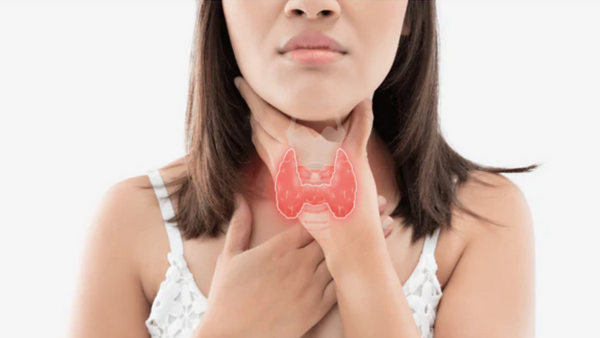
Graves’ disease: Supporting treatment with micronutrients
Graves' disease is an autoimmune thyroid disease. The body's own antibodies attack the thyroid tissue, causing hyperthyroidism.
The causes of Graves' disease are not well understood. Pregnancy, smoking, stress and viral infections are considered possible triggers. Genetic predisposition probably also plays a role.
The thyroid regulates energy metabolism. If it is overactive, energy metabolism runs at full speed. Graves’ disease is characterized by the following symptoms:
Sleep disorders
nervousness
Light sweating and heat intolerance
Weight loss
Heart palpitations, high blood pressure and cardiac arrhythmias
Shaky hands
In women: menstrual disorders, in men: impotence
Mood swings
Hair loss
Many sufferers also experience visible bulging of the eyes. This is due to inflammation in the eye socket and changes in the connective tissue of the eye.
The thyroid gland can also become enlarged. This is known as goiter or struma. This causes a feeling of pressure and tightness in the throat when swallowing and breathing.
Graves' disease is traditionally treated with medication that inhibits the production of thyroid hormones. These are called antithyroid drugs. The hyperthyroidism often subsides after the medication is stopped.
If antithyroid drugs do not help in the long term, radioiodine therapy is usually carried out. The radioactive iodine destroys thyroid tissue, which reduces the production of thyroid hormones. However, there is a risk of slipping from hyperthyroidism to hypothyroidism.
Micronutrients can support the treatment of Graves’ disease.
selenium
Selenium is important for thyroid function because it is a component of enzymes needed to produce thyroid hormones. Selenium also helps reduce oxidative stress in the thyroid. Antioxidant enzymes that fight free radicals and counteract oxidative stress contain selenium.
Patients with Graves' disease often do not have sufficient selenium. Initial studies suggest that selenium could reduce the concentration of antibodies against thyroid tissue in Graves' disease and improve the quality of life. [1]
Vitamin D
Vitamin D regulates the immune system and counteracts inflammation. People with Graves' disease are more likely to suffer from vitamin D deficiency than healthy people. Vitamin D deficiency is also a risk factor for Graves' disease and other autoimmune diseases. [2]
In a small study, anti-thyroid antibodies decreased after taking vitamin D. However, this needs to be confirmed in further studies.
Antioxidants
People with hypothyroidism experience increased oxidative stress in the thyroid gland. This is also reflected in the blood: Due to the increased need for antioxidants, the levels of antioxidants such as coenzyme Q10 and vitamin E are reduced. [3]
Patients with Graves’ disease should therefore pay particular attention to ensuring they have a good supply of antioxidants.
The body’s most important antioxidants include:
zinc
Vitamin E
Vitamin C
selenium
Coenzyme Q10
Secondary plant substances such as curcumin and OPC also have antioxidant effects and can counteract oxidative stress. [4]
In a small study, an antioxidant mixture of manganese, zinc , copper , selenium , beta-carotene, vitamin C and vitamin E was able to reduce oxidative stress in Graves' disease. [5]
Conclusion: Essential nutrients should not be missing in Graves’ disease
A lack of certain nutrients appears to promote the development of Graves' disease. Those affected also have an increased need for antioxidants, which are often lacking. People with Graves' disease should ensure they have a good supply of these nutrients.
WE HAVE GONE YOU A 5% VOUCHER FOR OUR
COENZYME Q10 , VITAMIN D , VITAMIN C , ZINC , TURMERIC , OPC AND SELENIUM
PROVIDED AND HOPE TO BRING YOU JOY WITH IT.
SIMPLY COPY THE FOLLOWING COUPON CODE
AND ENTER IT AT CHECKOUT:
BASEDOW+V5
TO THE PRODUCTS
[1] https://www.ncbi.nlm.nih.gov/pmc/articles/PMC7033064/
[2] https://www.endocrine-abstracts.org/ea/0044/ea0044p257
[3] https://pubmed.ncbi.nlm.nih.gov/10598831/
[4] https://pubmed.ncbi.nlm.nih.gov/31593984/
[5] https://pubmed.ncbi.nlm.nih.gov/18605962/

Micronutrients for fibromyalgia: can they relieve pain?
Fibromyalgia is a pain disorder that mainly affects women between the ages of 40 and 60.
The pain is long-lasting (longer than 3 months), affects several parts of the body and severely limits the quality of life. The pain is often perceived as muscle pain.
In addition to pain, people with fibromyalgia often suffer from sleep disorders, concentration problems, tiredness, exhaustion and depressive moods. Hypersensitivity to touch, smells and noises also often occurs.
The cause of fibromyalgia is not clearly understood, but certain factors seem to promote the disease:
Mitochondrial dysfunction (mitochondriopathy)
stress
Depression
Inflammatory diseases and rheumatism
Smoking, obesity, lack of exercise and other bad lifestyle habits
The therapy involves moderate physical activity such as cycling, swimming and walking. Relaxation techniques, yoga and behavioral therapy can also have a positive effect on the symptoms.
The medications used are mainly antidepressants and anti-anxiety drugs.
In addition, micronutrients can support the treatment of fibromyalgia.
Coenzyme Q10
Coenzyme Q10 is needed to generate energy in the mitochondria – the power plants of our cells. Coenzyme Q10 is also an important antioxidant in the body.
People with fibromyalgia often have low levels of coenzyme Q10. A small study suggests that taking coenzyme Q10 may actually be helpful for fibromyalgia. Pain decreased and coenzyme Q10 seemed to have a positive effect on sleep quality and fatigue. [1]
L-Carnitine
L-carnitine is important for the function of the mitochondria. It is needed for the transport of fatty acids into the mitochondria. L-carnitine also supports the detoxification of the mitochondria. L-carnitine also has an antioxidant effect and can protect nerve cells from oxidative damage.
A carnitine deficiency can cause muscle pain. In one study, L-carnitine was able to relieve muscle pain. General well-being and mental health also improved. [2]
Vitamin C
Fibromyalgia patients who consume a lot of vitamin C through their diet have fewer symptoms than those who consume less vitamin C. People with fibromyalgia also have high levels of oxidative stress and free radicals. [3]
It is therefore reasonable to assume that those affected could benefit from taking vitamin C.
Omega-3 fatty acids
Omega-3 fatty acids have anti-inflammatory effects and can relieve inflammatory pain. [4] In one case study, fibromyalgia pain also subsided after taking omega-3 fatty acids.
Vitamin D
Vitamin D has an immune-regulating and anti-inflammatory effect. People with fibromyalgia are particularly often affected by vitamin D deficiency. The severity of the disease also seems to correlate with the extent of the deficiency.
Smaller studies suggest that vitamin D may reduce pain and improve depressive mood in fibromyalgia. [5] However, further research is needed.
magnesium
Magnesium is essential for muscle and nerve function. It also has antispasmodic properties and can relieve muscle cramps. It can also counteract pain because it inhibits a pain-promoting neurotransmitter. Magnesium also plays an important role in energy production in the mitochondria.
People with fibromyalgia often do not have enough magnesium. In addition, magnesium deficiency in fibromyalgia appears to increase symptoms such as fatigue.
In a small study, magnesium was able to relieve pain. [6] However, more research is needed.
Conclusion: Fibromyalgia lacks many nutrients
People with fibromyalgia are often not getting enough essential nutrients. A good supply of anti-inflammatory nutrients in particular seems to be important for fibromyalgia and can potentially help to alleviate the symptoms.
WE HAVE GONE YOU A 5% VOUCHER FOR OUR
OMEGA-3 , COENZYME Q10 ,MAGNESIUM , VITAMIN D , VITAMIN C AND L-CARNITINE
PROVIDED AND HOPE TO BRING YOU JOY WITH IT.
SIMPLY COPY THE FOLLOWING COUPON CODE
AND ENTER IT AT CHECKOUT:
FIBRO+V5
TO THE PRODUCTS
[1] https://pubmed.ncbi.nlm.nih.gov/24525646/
[2] https://pubmed.ncbi.nlm.nih.gov/25786048/
[3] https://pubmed.ncbi.nlm.nih.gov/24373371/
[4] https://pubmed.ncbi.nlm.nih.gov/17335973/
[5] https://pubmed.ncbi.nlm.nih.gov/29911760/
[6] https://pubmed.ncbi.nlm.nih.gov/24525646/

Micronutrients for lupus erythematosus: what can they do?
Lupus erythematosus is an autoimmune disease of the skin and connective tissue. The body's own immune cells attack connective tissue structures.
The causes of lupus are not well understood. Hormonal changes, certain medications, smoking, and certain infections seem to promote the disease.
Early symptoms include difficulty concentrating, fatigue, bloating, swollen lymph nodes and weight loss.
There are two different forms of lupus. Cutaneous lupus erythematosus (CLE) primarily manifests itself through skin symptoms. A butterfly-shaped redness appears on the face. This is why it is also called butterfly rash.
Systemic lupus erythematosus (SLE), on the other hand, affects the entire body. The kidneys, lungs and heart are particularly affected.
Lupus is primarily treated with anti-inflammatory and immunosuppressive drugs.
Micronutrients can support the treatment of lupus.
Omega-3 fatty acids
Omega-3 fatty acids have anti-inflammatory effects and promote cardiovascular health. They can therefore counteract the damage to blood vessels in SLE. [1]
Antioxidants
Oxidative stress appears to promote SLE and increase the risk of secondary diseases. People with SLE are also often not adequately supplied with antioxidants and have increased markers of oxidative stress. [2]
In SLE it is therefore important to ensure a good supply of antioxidants such as vitamin C , vitamin E, zinc and selenium .
Vitamin D
People with SLE are sensitive to light and therefore avoid the sun. This means they are at particularly high risk of vitamin D deficiency .
Vitamin has important functions in the immune system. It also has an immunoregulating effect and helps to curb inflammatory reactions.
Vitamin D is also important for bones because it promotes the absorption of calcium in the intestine.
Small studies suggest that taking vitamin D in SLE may alleviate symptoms and counteract blood vessel damage. [3] However, further research is needed.
Vitamin A
Vitamin A is important for the immune system and also has an anti-inflammatory effect. Vitamin A is also needed for cell regeneration.
Patients with SLE often have low levels of vitamin A. Studies suggest that vitamin A can help balance immune cells, which may be helpful in autoimmune diseases. [4] Vitamin A is found primarily in animal foods. Liver is by far the best source of vitamin A.
Conclusion: Important nutrients are often lacking in lupus
Autoimmune diseases increase the need for certain nutrients. This is also the case with SLE. A good supply of anti-inflammatory nutrients can help keep the inflammatory reactions in check.
WE HAVE GONE YOU A 5% VOUCHER FOR OUR
OMEGA-3 , VITAMIN D , VITAMIN C , LIVER COMPLEX , ZINC AND SELENIUM
PROVIDED AND HOPE TO BRING YOU JOY WITH IT.
SIMPLY COPY THE FOLLOWING COUPON CODE
AND ENTER IT AT CHECKOUT:
LUPUS+V5
TO THE PRODUCTS
[1] https://www.ncbi.nlm.nih.gov/pmc/articles/PMC3113385/
[2] https://pubmed.ncbi.nlm.nih.gov/29353100/
[3] https://www.ncbi.nlm.nih.gov/pmc/articles/PMC3113385/
[4] https://pubmed.ncbi.nlm.nih.gov/15693087/
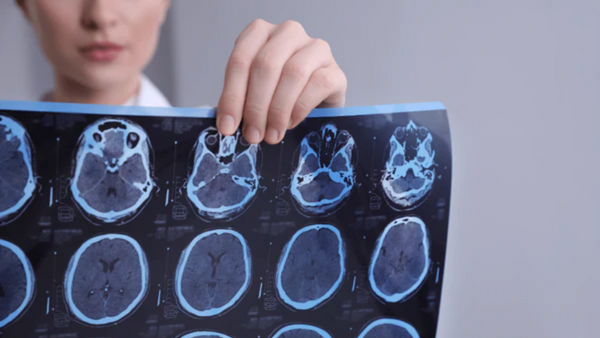
Multiple sclerosis: These micronutrients can support treatment
Multiple sclerosis is an autoimmune disease. Immune cells attack the nerve fibers and destroy the myelin sheath. This is an insulating protective layer that ensures rapid signal transmission. Nerve cells in the spinal cord and brain are damaged by chronic inflammation.
Typical symptoms of multiple sclerosis are:
Concentration and memory disorders
Tingling and numbness
Coordination disorders and unsteady gait
Chronic fatigue
Muscle cramps
The causes of multiple sclerosis are not well understood. Certain viral infections, vitamin D deficiency, smoking, obesity and a disturbed intestinal flora seem to promote multiple sclerosis
Treatment primarily involves anti-inflammatory drugs to control the inflammatory reactions.
Micronutrients can support the treatment of multiple sclerosis.
Vitamin D
Vitamin D regulates the immune system and can thus counteract inflammation. Vitamin D deficiency is linked to the progression of MS: the poorer the vitamin D supply, the faster the disease progresses. [1]
Omega-3 fatty acids
Omega-3 fatty acids are useful for multiple sclerosis for several reasons. Firstly, they have anti-inflammatory and antioxidant effects. They are also part of the myelin sheath and have a nerve-protecting effect. [2]
Antioxidants: Vitamin A, Vitamin C, Vitamin E, Zinc, Selenium
People with multiple sclerosis often have elevated markers for oxidative stress. At the same time, they are often not supplied with enough antioxidants. In particular, fat-soluble vitamins with antioxidant effects such as vitamin A and vitamin E are easily lacking.
Vitamin C , vitamin E, zinc and selenium are important antioxidants in the body. Zinc also has important functions in the nervous system. For example, it is needed to maintain the myelin sheath. [3]
Coenzyme Q10
Coenzyme Q10 has important functions in energy metabolism. It is needed for energy production in the mitochondria – the power plants of our cells. [4]
Coenzyme Q10 is also an antioxidant, which can counteract oxidative stress.
Mitochondria appear to play an important role in multiple sclerosis: they are often faulty and do not function optimally. This contributes to exhaustion. Coenzyme Q10 levels are often too low in multiple sclerosis. Conversely, studies suggest that taking coenzyme Q10 could actually alleviate symptoms.
L-carnitine is also essential for mitochondrial function. Patients with multiple sclerosis often have low L-carnitine levels. However, the data available here is not as good as for coenzyme Q10.
B vitamins
B vitamins are also known as nerve vitamins because they perform many important functions in the nervous system. Vitamin B12, for example, is essential for maintaining myelin.
In addition, B vitamins are needed to break down homocysteine . Homocysteine is a toxic metabolic product. If there is a lack of B vitamins, the homocysteine level rises. Vitamin B6, folic acid (vitamin B9) and vitamin B12 are particularly important here. Homocysteine promotes inflammation and can damage the nervous system.
In patients with multiple sclerosis, homocysteine levels are often elevated and folic acid and vitamin B12 are often deficient. [5]
magnesium
Magnesium is important for the muscles and promotes their relaxation. Magnesium also has important functions in energy metabolism. Studies suggest that magnesium in combination with vitamin D and calcium could counteract the progression of multiple sclerosis. [6]
Alpha-lipoic acid
Alpha-lipoic acid is an effective antioxidant and also has anti-inflammatory effects. In addition, alpha-lipoic acid has a nerve-protective effect and can promote nerve regeneration. [7]
In multiple sclerosis, alpha-lipoic acid can lower inflammatory markers.
Probiotics
A healthy intestinal flora is very important for the intestines. A good ratio between "good" and harmful bacteria also helps to counteract inflammation. In a small study, taking probiotics in multiple sclerosis was able to reduce inflammation levels. [8] However, more research is needed here.
Conclusion: Antioxidants are promising in multiple sclerosis
Oxidative stress and inflammation contribute to the development and progression of multiple sclerosis. A good supply of anti-inflammatory nutrients and antioxidants is likely to be helpful in multiple sclerosis. Sufferers should also ensure they have an adequate supply of nutrients that are important for nerve function.
WE HAVE GONE YOU A 5% VOUCHER FOR OUR
OMEGA-3 , VITAMIN B , COENZYME Q10 ,MAGNESIUM , VITAMIN D , VITAMIN C , ZINC AND SELENIUM
PROVIDED AND HOPE TO BRING YOU JOY WITH IT.
SIMPLY COPY THE FOLLOWING COUPON CODE
AND ENTER IT AT CHECKOUT:
MS+V5
TO THE PRODUCTS
[1] https://www.cochranelibrary.com/cdsr/doi/10.1002/14651858.CD008422.pub3/full
[2] https://www.ncbi.nlm.nih.gov/pubmed/7860710
[3] https://www.ncbi.nlm.nih.gov/pmc/articles/PMC4904428/
[4] https://www.semanticscholar.org/paper/Coenzyme-Q10-in-the-Treatment-of-Mitochondrial-Neergheen-Chalasani/fe646f7790e1beb346019a9219c3a5ffd99d1047?p2df
[5] https://www.ncbi.nlm.nih.gov/pmc/articles/PMC4904428/
[6] https://pubmed.ncbi.nlm.nih.gov/3537648/
[7] https://www.ncbi.nlm.nih.gov/pmc/articles/PMC5840773/
[8] https://www.ncbi.nlm.nih.gov/pmc/articles/PMC6213508/

What effect can micronutrients have on arteriosclerosis?
Arteriosclerosis (also called atherosclerosis) causes hardening and thickening of blood vessels. Colloquially, this is also referred to as hardening of the arteries.
Deposits narrow the vessels that supply the organs with oxygen-rich blood. This causes the blood vessels to narrow and a blood clot can impede or even completely stop the blood flow. This means that vital organs are no longer supplied with oxygen, which can cause a heart attack or stroke. In the worst case, this can have fatal consequences.
Anticoagulants are often used to treat arteriosclerosis. These reduce the risk of blood clots. Cholesterol-lowering drugs are also often prescribed, as high cholesterol levels are considered a risk factor for arteriosclerosis.
Diet also plays an important role in arteriosclerosis. Diet-related problems such as obesity, high blood pressure and diabetes are the greatest risk factors for arteriosclerosis. Treating these can counteract the progression of arteriosclerosis.
The diet also provides many important nutrients that play a role in arteriosclerosis.
Micronutrients can also support the treatment of arteriosclerosis.
Omega-3 fatty acids
Omega-3 fatty acids have an anti-inflammatory effect. Since inflammation can promote arteriosclerosis, it makes sense to keep inflammation in check.
Studies suggest that a good supply of omega-3 fatty acids can actually reduce the risk of heart attack. [1]
magnesium
Magnesium is very important for nerve and muscle function. In addition, a good supply of magnesium can help regulate blood pressure. [2] High blood pressure damages the blood vessels and can promote arteriosclerosis.
Vitamin K2
A good supply of vitamin K2 is very important for vascular health. It also ensures that calcium is absorbed from the blood into the bones. [3] Too high a calcium level can further damage the vessels.
OPC
High LDL cholesterol is particularly problematic when it oxidizes. Then it promotes the formation of plaques. Oligomeric proanthocyanidins (OPC) are extracted from grape seeds and are very effective antioxidants. Studies indicate that taking OPC could reduce the oxidation of LDL. [4]
Zinc, selenium, vitamin C and vitamin E
In addition to OPC, there are other important antioxidants that are even essential nutrients, which means that we have to consume them through food.
These primarily include zinc , selenium , vitamin C and vitamin E.
B vitamins
B vitamins are needed to break down the metabolic product homocysteine. Vitamin B6, folic acid (vitamin B9) and vitamin B12 are particularly important here. If one or more of these vitamins are lacking, the homocysteine level rises. A high homocysteine level damages the blood vessels and increases the risk of arteriosclerosis.
In the case of arteriosclerosis, it is therefore important to ensure a good supply of B vitamins.
Coenzyme Q10
Coenzyme Q10 plays a central role in energy production. Coenzyme Q10 is also an important antioxidant. Coenzyme Q10 is also important for heart health and can improve the heart's ability to contract. [5]
Coenzyme Q10 is also useful when taking statins (so-called cholesterol-lowering drugs) because coenzyme Q10 can reduce the side effects.
Conclusion: Deficiencies promote arteriosclerosis
Deficiencies in certain nutrients can promote arteriosclerosis. People with arteriosclerosis or at increased risk should ensure they have a good supply of these nutrients.
WE HAVE GONE YOU A 5% VOUCHER FOR OUR
OMEGA-3 , VITAMIN B , COENZYME Q10 ,MAGNESIUM , OPC , VITAMIN K , VITAMIN C , ZINC AND SELENIUM
PROVIDED AND HOPE TO BRING YOU JOY WITH IT.
SIMPLY COPY THE FOLLOWING COUPON CODE
AND ENTER IT AT CHECKOUT:
ARTERIO+V5
TO THE PRODUCTS
[1] https://jamanetwork.com/journals/jamainternalmedicine/fullarticle/2530286
[2] https://www.ncbi.nlm.nih.gov/pmc/articles/PMC3683817/
[3] https://pubmed.ncbi.nlm.nih.gov/18722618/
[4] https://pubmed.ncbi.nlm.nih.gov/17616006/
[5] https://pubmed.ncbi.nlm.nih.gov/27333901/


